
为提升学生应对科技与社会融合的复杂挑战能力,培育兼具系统思维与生态责任意识的未来公民,2025 年 9月 5 日至9月6日,杭州市下沙中学召开 “社会性科学议题学习(SSI-L)”项目启动研讨会。北京师范大学“社会性科学议题学习”项目负责人、中国基础教育质量监测协同创新中心科学提升部主任林静,国际科学教育领域知名专家、台湾师范大学荣誉教授邱美虹,SSI-L学科指导专家、北师大二附中特级教师彭梦华,SSI-L学科指导专家、北京市教育学会小学科学教学研究会副理事长、特级教师李伟臣,杭州市下沙中学党委书记何天明、校长陈凯、副校长蒋英,钱塘区责任督学陆建文,以及学校SSI-L 项目教师团队参与了会议研讨。
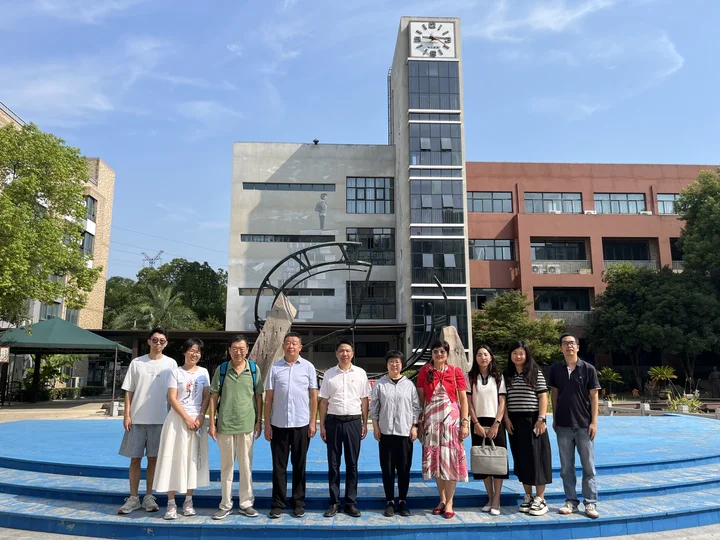
会议第一天,与会者深入探讨SSI课程落地的现实挑战。会议强调从学生视角出发理解学生SSI-L需求的重要性,建议学校SSI-L教师团队通过协同教学、课堂录像、学生作业追踪等方式,提升基于SSI的跨学科教学能力。
会议第二天,确定学校以“湿地保护和开发”为主题,依托下沙本地围垦历史与湿地开发利用现状,开展系统性的SSI-L课程开发。课程将围绕学校办学目标与育人方针,着重培养学生系统思维、社会责任与可持续发展等核心素养,使其在未来决策中具备生态意识与科学依据。成立由各学科教师组成的课程研发小组,固定时间进行课程设计与教学研讨。

在两天的会议中,林静强调教师需转变视角,从“知识传授者”转向“学习引导者”,先理解学生再设计SSI-L课程。邱美虹建议课程与联合国可持续发展目标对接,引导学生在解决实际问题中提升全球视野与行动力。彭梦华和李伟臣分享了教学实践中通过观察学生解决问题的方法来调整教学策略的经验,提出了教师应如何融入SSI-L研究、提升自身专业的思考。校领导何天明、陈凯结合学校办学思路与现行课程体系,对SSI-L的校本研究与实施提出近远期目标;陆建文、蒋英对SSI-L的课程框架以及驱动性问题提出构想。学校SSI-L教师团队一一谈了个人思考与困惑,与北师大团队进行了进一步的交流与研讨。
与会者相信,当社会性科学议题课程扎根下沙本土实践,下沙中学"至善文化"的育人理念将被进一步赋予新内涵,助力学校贯彻立德树人根本任务,提升学生核心素养以胜任真实而复杂的未来。
供稿者:杭州下沙中学
To enhance students’ competencies to face the complex challenges composed of technological and social issues while cultivating future citizens with both systems thinking skills and ecological responsibility awareness, Hangzhou Xiasha Middle School held the launch seminar of the “Socioscientific Issues-based Learning (SSI-L)” project from September 5 to September 6, 2025. The seminar brought together leading experts and educators, including Professor Lin Jing, head of the SSI-L project at Beijing Normal University and Director of the Department of Science Education Quality Development at the Collaborative Innovation Center of Assessment for Basic Education Quality; Professor Mei-Hung Chiu, internationally renowned science education scholar and Emeritus Professor at Taiwan Normal University; Peng Menghua, SSI-L subject advisor and Special-grade Teacher at The Second High School Attached to Beijing Normal University; Li Weichen, SSI-L subject advisor, Vice President of the Primary Science Teaching Research Branch of the Beijing Education Society, and Special-grade Teacher; along with He Tianming, Party Secretary of Hangzhou Xiasha Middle School; Chen Kai, Principal; Jiang Ying, Vice Principal; Lu Jianwen, Supervisory Officer of Qiantang District; and the school’s SSI-L teaching team.
On the first day of the seminar, participants engaged in in-depth discussions on the practical challenges of implementing SSI courses. The meeting emphasized the importance of understanding students’ needs for engaging in SSI-L from their perspectives, and suggested that the school’s SSI-L teaching team can enhance interdisciplinary teaching capacity through collaborative teaching, classroom video analysis, and student work tracking.
On the second day, the school confirmed “wetland conservation and development” as the central theme for its SSI-L course. Drawing on Xiasha’s local history of land reclamation and the current realities of wetland utilization, the program will pursue a systematic curriculum development. Aligned with the school’s educational philosophy, the courses aim to cultivate students’ systems thinking, sense of social responsibility, and competencies in sustainable development, enabling them to make future decisions grounded in ecological awareness and scientific reasoning. A cross-disciplinary curriculum development group composed of teachers from various subjects will be established, meeting regularly for course design and instructional research.
During the two-day seminar, Professor Lin Jing emphasized the need for teachers to shift their role from “knowledge transmitters” to “learning facilitators,” first understanding students before designing SSI-L course. Professor Mei-Hung Chiu suggested aligning the courses with the United Nations Sustainable Development Goals (SDGs), guiding students to strengthen their global vision and capacity for action by engaging in real-world problem solving. Peng Menghua and Li Weichen shared their experiences of adjusting teaching strategies by observing how students approached problem-solving in practice, and further reflected on how teachers could engage in SSI-L research to enhance their professional expertise.
School leaders He Tianming and Chen Kai connected the SSI-L initiative to the school’s educational philosophy and existing curriculum system, setting both short-term and long-term goals for SSI-L research and implementation. Lu Jianwen and Jiang Ying proposed ideas for the overall course framework and the design of driving questions. Members of the school’s SSI-L teaching team also shared their personal reflections and concerns, and engaged in further exchanges with the Beijing Normal University team.
Participants agreed that once socioscientific issues–based learning takes root in the local practices of Xiasha, the school’s “Zhishan Culture” (至善文化) will be endowed with further meaning. This initiative will help Xiasha Middle School carry forward the fundamental mission of fostering character and virtue, while strengthening students’ core competencies to prepare them for the authentic and complex challenges of the future.
Contributor: Hangzhou Xiasha Middle School