
为探索科学教育与人文教育的深度融合路径,培养具备科学思维与价值认同的我国未来公民,2025 年 6 月 6 日,北京师范大学亚太实验学校在地球与环境实验室召开 “社会性科学议题学习(SSI-L)”项目启动研讨会。北京师范大学“社会性科学议题学习”项目负责人、中国基础教育质量监测协同创新中心科学提升部主任林静,我国知名科普教育专家北京师范大学水科学研究院水生态与环境研究所所长王红旗、北京西城青少年科技馆特级教师周又红,SSI-L学科指导专家、北师大二附中特级教师彭梦华,以及亚太学校 SSI-L 项目教师团队参与了会议研讨。会议由北京师范大学亚太实验学校SSI-L项目负责人胡海军主持。
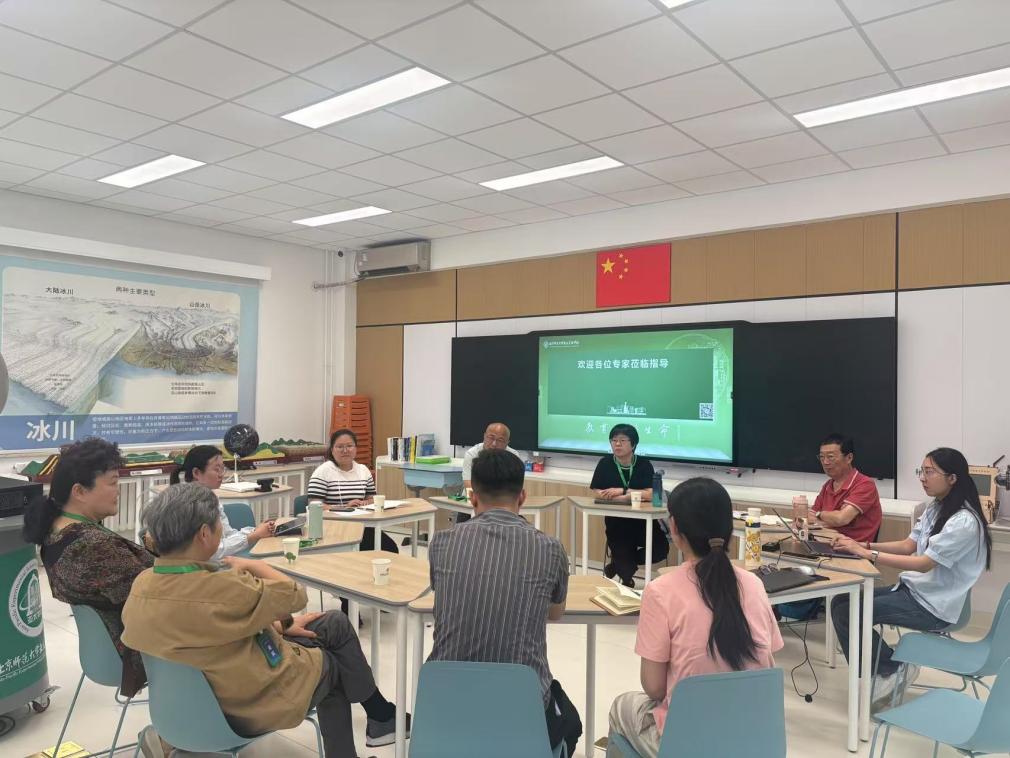
会议明确锁定科学思维与跨学科实践作为重构SSI教学模式的重点,并注重道德伦理的熏陶与培养。围绕无固定标准答案的真实SSI,确立以论证能力、批判性思维和建模能力等为关键培养目标。教师团队将探索课堂从“知识传授”向“自主探究”转型,打破传统课堂边界,让学生在不确定的议题探究中发展科学思维与实践能力。同时,在议题讨论中渗透生态文明理念等价值要素,使学生在议题探索过程中塑造社会主义核心价值观。林静强调社会性科学议题也是加强未成年人思想道德建设的优质载体,要注重科学与人文的跨界整合开展SSI课程与教学设计与实施。王红旗指点团队要从学生身边的事物出发、从学生的生活实际出发来架构教学内容。周又红指导团队要进一步整合校园环境与SSI课程的实施。
为切实推动 SSI-L 项目落地生根,北师大亚太实验学校聚焦教师角色重塑与专业赋能,引导教师从知识传授者向学习引导者转型,强化课程中价值引领与思维培育的深度融合。在教育资源建设层面,学校整合地球与环境实验室、高新科技实验室资源,为学生提供富有实践性和启发性的SSI课程资源。同时,亚太将探索动态化过程性评价体系,依托课堂观察与学生自评互评等,多维度记录学生在议题探究中的成长轨迹。
此次启动会强调将SSI-L中的跨学科实践探究落地,推动教师教育理念向实践能力转化,整合科学教育与人文教育,探索五育融合的育人新模式,着力培养兼具科学素养与社会担当的时代新人。
撰稿人:贾杰
To explore pathways for the deep integration of science education and humanities education, and to cultivate future Chinese citizens with scientific thinking and value alignment, on June 6, 2025, the Asia-Pacific Experimental School of Beijing Normal University held a launch seminar for the Socioscientific Issues-based Learning (SSI-L) project in the Earth and Environment Laboratory. Lin Jing, leader of the Beijing Normal University SSI-L Project and Director of the Science Development Department of the Collaborative Innovation Center of Assessment for Basic Education Quality; Wang Hongqi, a renowned Chinese science popularization education expert and the former Director of the Water Ecology and Environment Institute at the Beijing Normal University Water Science Research Institute; Zhou Youhong, a special-rank teacher at the Beijing Xicheng Youth Science and Technology Museum; Peng Menghua, an SSI-L disciplinary guidance expert and special-rank teacher at the Second High School Attached to BNU; and the SSI-L project teacher team from Asia-Pacific Experimental School of Beijing Normal University participated in the seminar discussions. Hu Haijun, the SSI-L project leader at Asia-Pacific Experimental School of Beijing Normal University, hosted the meeting.
The meeting identified scientific thinking and interdisciplinary practice as the focus for reconstructing the SSI teaching model, while emphasizing the nurturing and cultivation of moral ethics. Focusing on real SSI issues without preset standard answers, it set key development goals such as argumentation skills, critical thinking, and modeling abilities. The teacher team will explore transforming classrooms from “knowledge transmission” to “independent inquiry,” breaking traditional classroom boundaries to help students develop scientific thinking and practical skills through exploring uncertain issues. Simultaneously, value elements such as ecological civilization concepts will be incorporated into issue discussions to help shape students’ socialist core values during the exploration process. Lin Jing emphasized that SSI serves as a high-quality vehicle for strengthening the ideological and moral development of minors, highlighting the need for interdisciplinary integration of science and humanities in SSI curriculum and teaching design and implementation. Wang Hongqi advised the team to design teaching content starting from objects and realities in students’ daily lives. Zhou Youhong guided the team in further integrating the campus environment through the implementation of the SSI curriculum.
To effectively promote the rooting and implementation of the SSI-L project, the Asia-Pacific Experimental School of Beijing Normal University focused on reshaping teacher roles and professional empowerment, guiding teachers to shift from knowledge transmitters to learning facilitators, and strengthening the deep integration of value guidance and thinking cultivation in the curriculum. In terms of educational resource development, the school combined resources from the Earth and Environment Laboratory and the High-Tech Laboratory to provide students with practical and inspiring SSI curriculum materials. Additionally, the school will explore a dynamic formative evaluation system that relies on classroom observations, student self-assessments, and peer assessments to document students’ growth trajectories in issue exploration from multiple perspectives.
This launch meeting highlighted the implementation of interdisciplinary practice inquiry in SSI-L, encouraging the transformation of teachers’ educational concepts into practical abilities, integrating science education and humanities education, and exploring a new educational model that integrates the five domains of education (moral, intellectual, physical, aesthetic, and labor). It aims to develop new-era individuals equipped with both scientific literacy and social responsibility.