
为深入推动科学教育理念更新与实践创新,促进青少年科创教育高质量发展,2025年10月16日至19日,由北京师范大学中国基础教育质量监测协同创新中心主办、北京师范大学亚太实验学校承办的“2025年青少年科技创新教育论坛暨研修工作坊”在北京成功举办。活动汇聚海峡两岸暨港澳地区科学教育专家、骨干教师及青少年科创团队,围绕模型与建模教学、智慧支架与生成式AI、户外科学教育、社会性科学议题(SSI)等前沿内容,开展系统研修与深度交流,为新时代科学教育注入新动能。
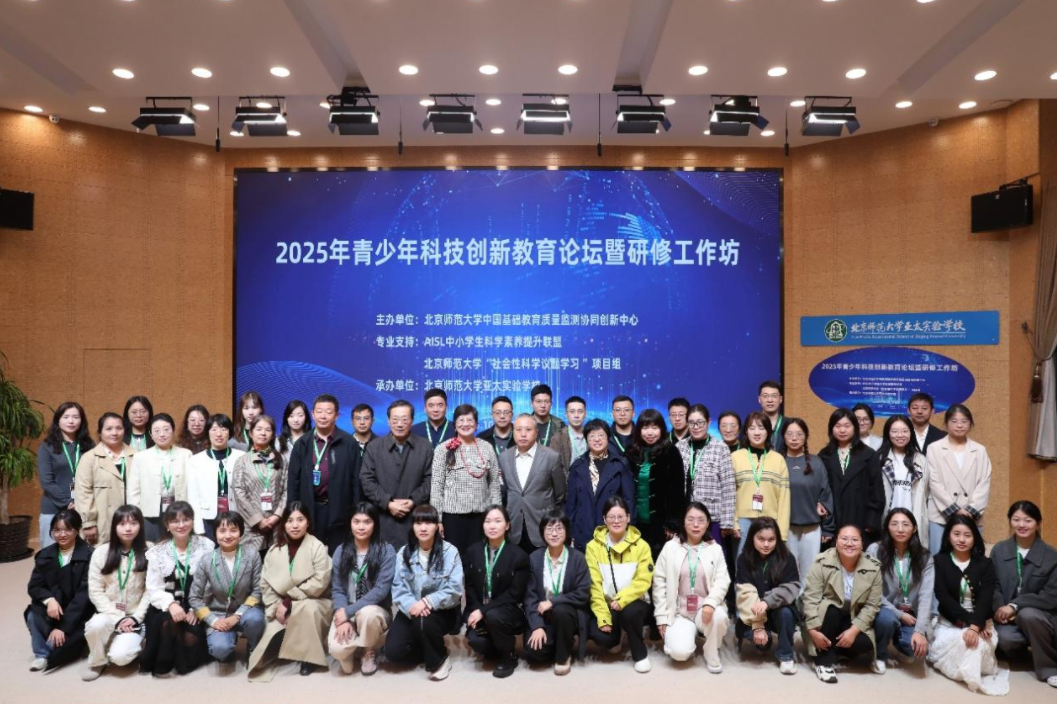
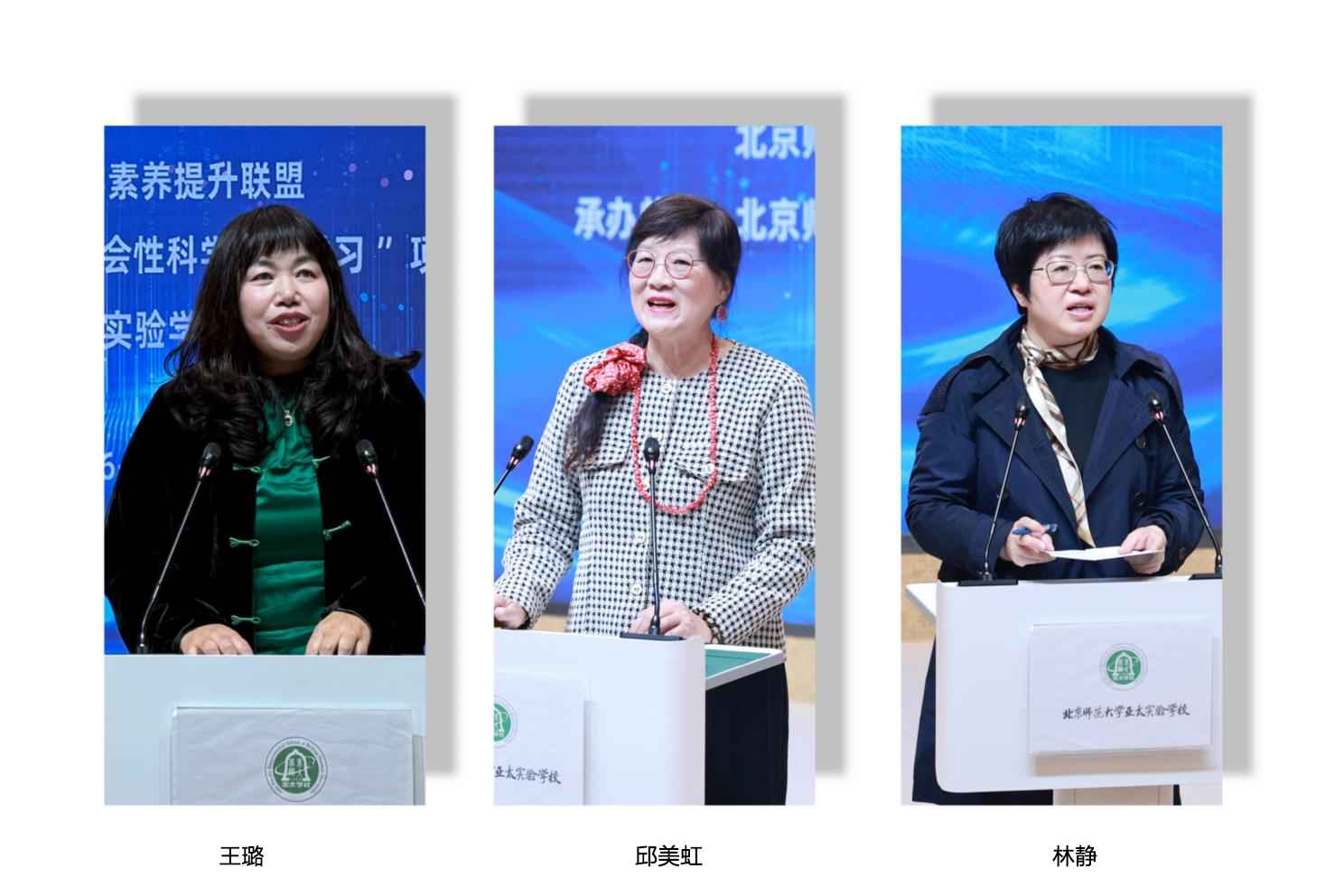
会议于10月16日上午在北京师范大学亚太实验学校学生充满活力的舞蹈表演中拉开序幕。学校副校长王璐致辞欢迎与会者,并强调了本次活动在推动科技创新教育纵深发展、搭建跨区域交流平台方面的重要意义。国际科学教学研究会(NARST)前主席、台湾师范大学荣休教授邱美虹从全球科学教育发展前沿的视角,指出AI、社会性科学议题(SSI)在科技创新教育中的重要性。北京师范大学中国基础教育质量监测协同创新中心科学提升部主任林静则围绕议程内容给与会者提议“浸入—交流—反思—整理”的研修模式,期待与会者深度交流与研讨,以满满的收获来深入推进科学教育“加法”的理论与实践研究。
理念引领,构建科学思维教学新范式
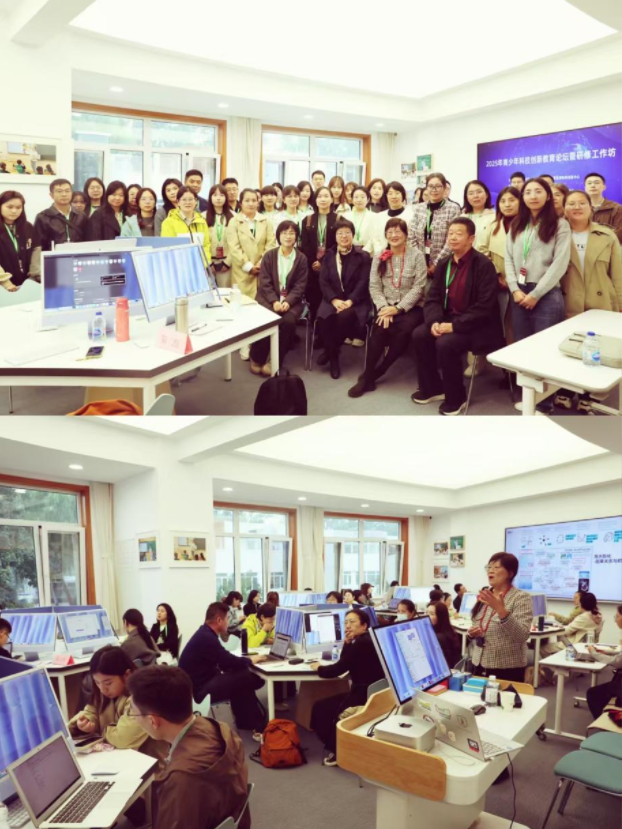
10月16日上午,邱美虹教授以《模型与建模的教学》为题,系统阐释模型认知的理论层次与教学路径,强调从“知识传递”转向“思维建构”的教学转型。她通过实际案例展示如何引导学生完成从“解构”到“再建构”的科学概念形成过程。邱教授系统梳理了模型认知理论,重点介绍了Grosslight(1991)等学者的模型认知理论,并指出有关模型的理论发展历经了三个层次,从视模型为实体复制的第一层,到作为沟通工具的第二层,再到将模型视为用于解释与预测的思维工具的第三层,指出教学目标是促进学生向更高层次发展,使其能“像科学家一样思考”。
邱教授还进一步阐释了模型的本质、功能与多元表征方式,并强调教学应实现从关注“模型是什么”到“模型为何用”的转变,即更加重视学生在建模过程中的思维历程。为促进理论与实践的结合,工作坊还介绍了诸如Sage Modeler等建模工具,并通过“基隆河水质调查”等真实案例展示了如何引导学生识别系统成分、建立变因关系并持续修正模型,从而培养其系统思维与科学探究能力。与会教师认为,此类培训能够“推动教学认知实现关键的转变,使模型真正成为培养学生科学思维的有效工具”。
技术赋能,推动AI与科学教育深度融合
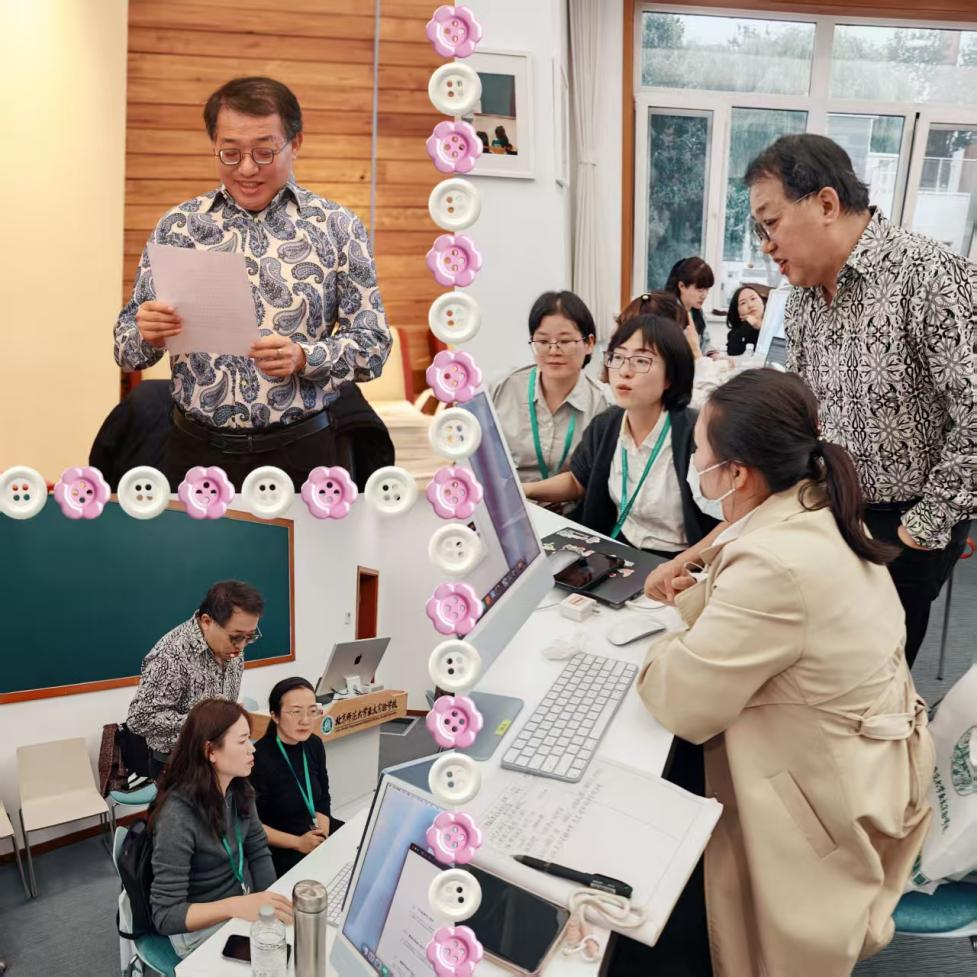
10月16日下午,台湾师范大学讲座教授、AISL联盟副主席张俊彦教授以“智慧支架与生成式AI:科学教育的双引擎革命”为题,深入阐述了人工智能在教育领域的应用前景与实践路径。他指出,AI工具短期内能有效提升教学效率,长期发展则需要专业教育工作者的深度参与,以实现更有价值的教育创新。张教授重点演示了AISI智慧学习平台的核心功能与应用场景。该平台支持师生无区隔互动,可弹性建立包括论证类、批判思维类的多种题型任务,并配备AI提示与参考答案,为PBL、社会性科学议题学习等高阶思维发展提供系统支持。平台通过可视化的证据呈现与数据分析,有效强化学生的思维能力与科学素养。
在实践层面,张教授团队开展了AISI Group多模态互动测试,探索技术与教育的深度融合效果。他特别提出“生成式AI有创造力吗”这一命题,通过具体案例引发与会者对AI创造力的深度思考。与会教师认为,该平台为教学互动提供了新路径,同时建议加强本土化适配,以更好地服务于课堂教学实践。
户外实践,拓展科学探究真实场域
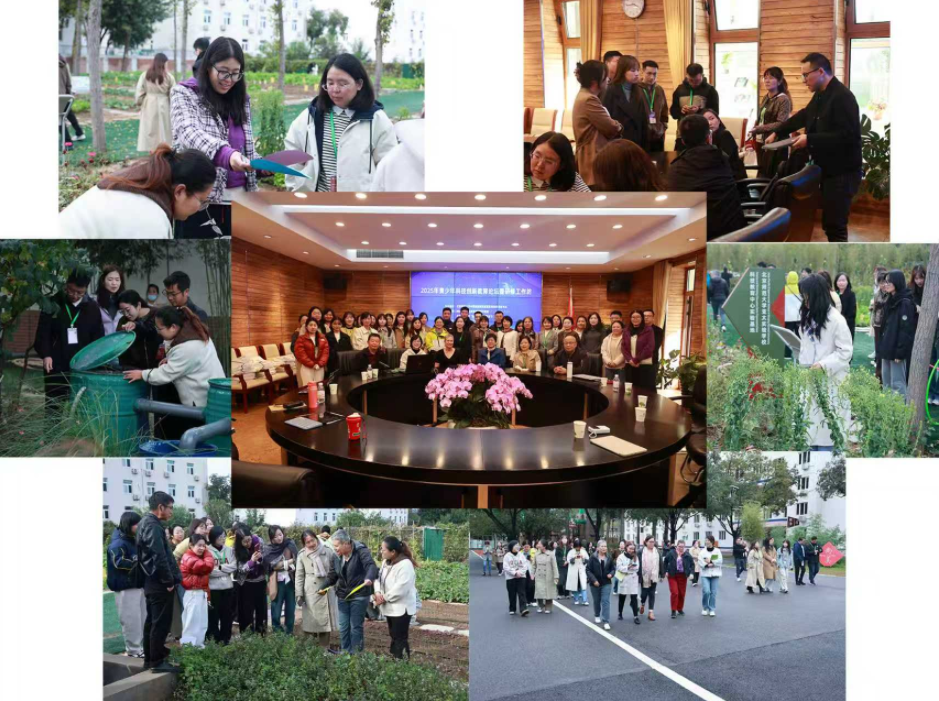
10月17日,NARST前主席、以色列理工学院教育学院院长Tali Tal教授围绕“优质户外教育”,在学校校园为与会者展开全天实践研修。Tali教授系统阐释了以“手、脑、心”(3-H)为核心的户外教学原则,强调通过“体验、实践、思考、关怀”实现认知、情感与行为的整合发展。她提出,优质户外教育应同时涵盖“关于户外、在户外中、为了户外”三个层面,旨在培养学生的环境行动力与社会责任。
为有效实施户外教学,Tali Tal教授引入了“学习螺旋”模型,即“课堂准备—实地调查—课堂总结”的闭环设计,帮助学生实现从具体体验到抽象认知的升华。在实践环节,她组织教师开展植被测量、花朵颜色分析等生态调查任务,展示了低门槛、可迁移的户外教学方法。而针对户外教学常见的安全管控、学生心理适应与课时限制等挑战,Tali Tal教授提出了设置“项目日”、邀请家长协助、配备基础工具等务实解决方案。她强调,教师在户外教育中应转变为“学习过程中的伙伴”,打破时空限制,灵活引导学生建构知识。学校科技教育中心主任胡海军还向与会者介绍了学校长期开展的环境教育教学活动,以及配套打造的低碳校园互动景观。参与教师纷纷表示,此类培训“有效拓展了科学教学的场域,使户外成为素养落地的重要场景”。
议题导向,强化社会责任与论证能力
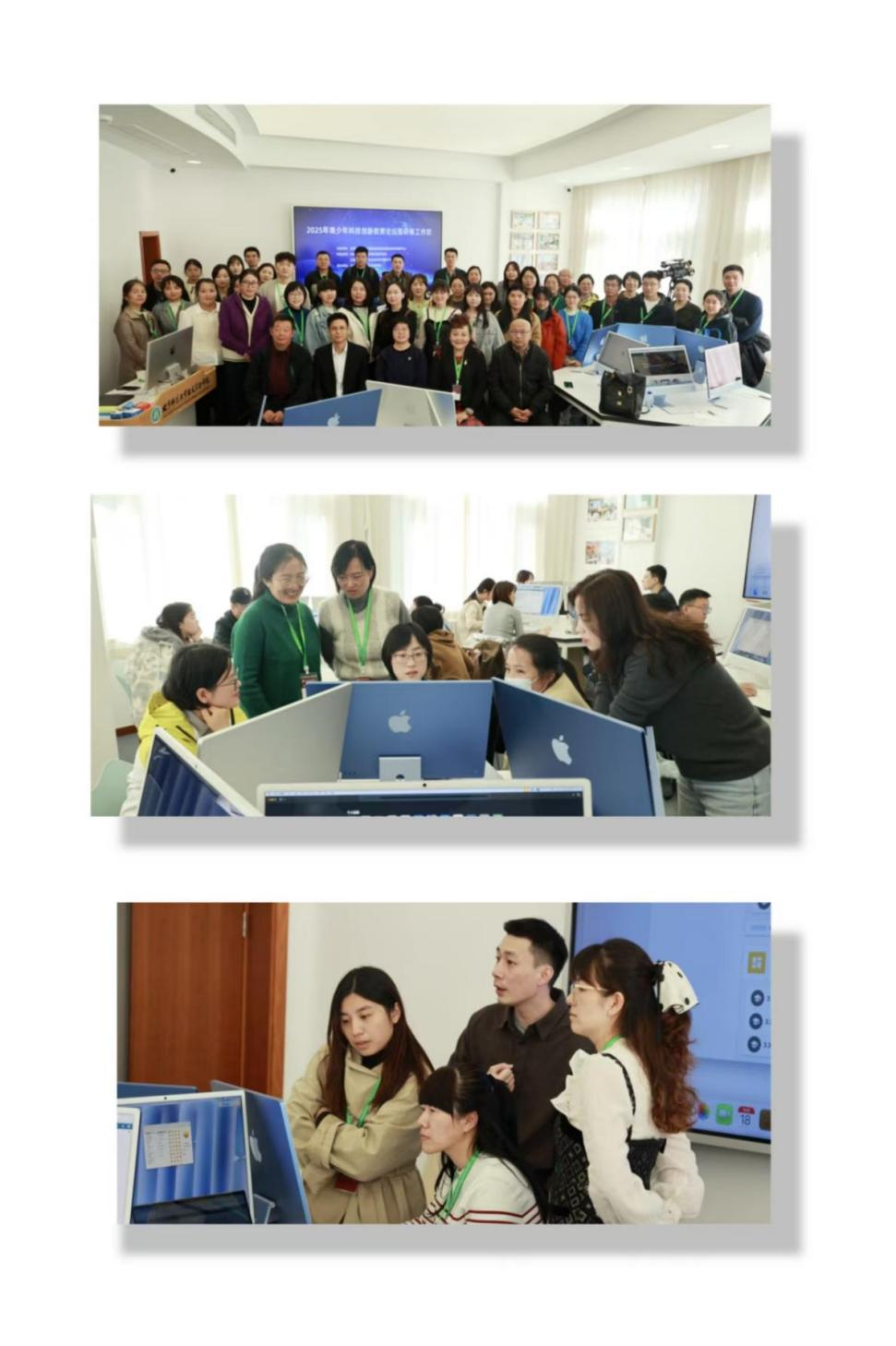
10月18日上午,北京师范大学“社会性科学议题学习”项目负责人林静副教授以“AI+社会性科学论证”为主题,架构在线数字课程来帮助与会者理解科学论证、社会性科学论证以及社会性科学议题(SSI)的育人价值。她指出,科学论证是科学课堂的基本话语方式,其核心要素包括主张、证据、推理与反驳,并以CER模型(主张-证据-推理)为基础构建教学路径。她进一步讲解个体的“心智模型”与“科学模型”的异同,强调教学的目标在于引导学生逐步完善个人认知,向科学共识靠拢。
为深化理解,林静教授在WISE平台上创建“填海造陆”议题情境,组织参会教师通过角色扮演,结合DeepSeek的运用,开展多立场的社会性科学论证体验。活动现场通过“反驳—协商—决策”环节,呈现SSI的复杂性与协商机制。她进一步提出,教师要善用WISE等数智平台来构建跨学科的SSI学习支架,引导学生从角色代入的过程中学会换位思考,在真实语境中发展论证能力与批判思维。与会教师积极参与,论证质疑反驳氛围热烈,纷纷表示此类培训“将抽象论证教学具象化,有效解决了社会性科学议题教学中的设计与实施难点”,为在课堂中推动价值理性与科学素养融合育人提供了理论框架与优质案例支持。
学子展示,彰显科技与人文并重
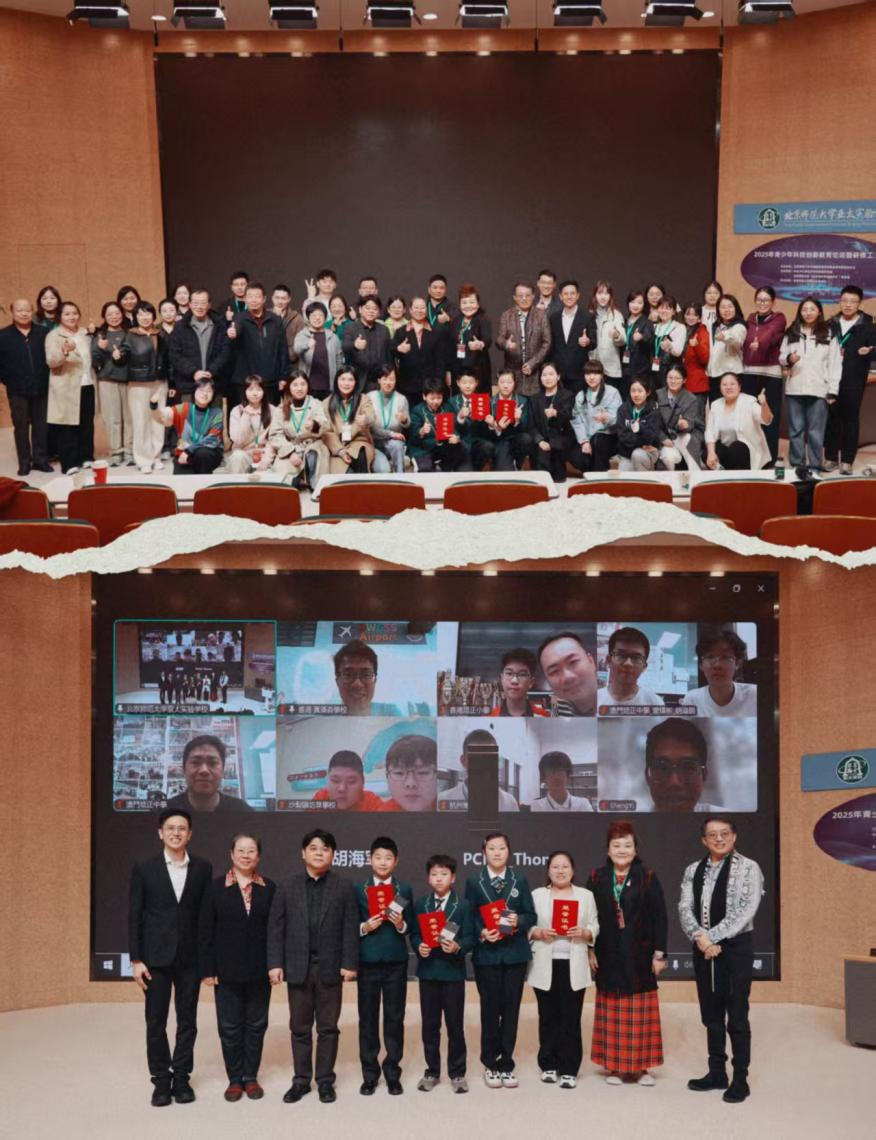
10月18日下午与会者观摩了青少年科技创新论坛,来自北京、香港、澳门、杭州等地的小学与初中学生团队依次展示了六项富有创新精神与社会关怀的科研成果。北京师范大学亚太实验学校的“明胶胶囊抗氧化性与药物增效研究”,从日常药物使用中发现科学问题,探索明胶材料在医药领域的潜在价值;香港培正小学的“智能防洪板”针对城市内涝难题,设计出可自动响应水位变化的防洪装置;澳门沙梨头坊众学校则结合本地水浸问题,开发出“智能水浸防御系统”,展现地域性问题与科技解决方案的紧密结合。杭州橄榄树学校的“反馈式垃圾桶”关注行为心理学与环境教育的交叉领域,通过正向反馈机制促进公众环保习惯养成;澳门培正中学的“水下入侵物种预警系统”运用多模态推理技术,为生态保护提供智能化解决方案;香港黄藻森学校则以“蠔大大蠔排”项目,将科技与传统养殖业相结合,体现对本土产业发展的关怀与支持。
论坛主持人陈敬濂,澳门培正中学副校长,与评委专家张俊彦教授、中国社会科学生态文明研究所陈迎研究员、香港教育大学万志宏副教授、全国科普知名专家周又红特级教师,会同与会者与六校师生团队进行了交流切磋。评委专家一致认为,这些项目不仅展现学生扎实的科学素养与创新能力,更彰显新时代青少年关注社会、服务社会的责任担当。与会者认为,参赛的同学们从真实问题出发,他们的小发现中蕴藏着大价值,充分体现了科技与人文的深度融合与良性互动。
STEM融合,系统培育创新素养
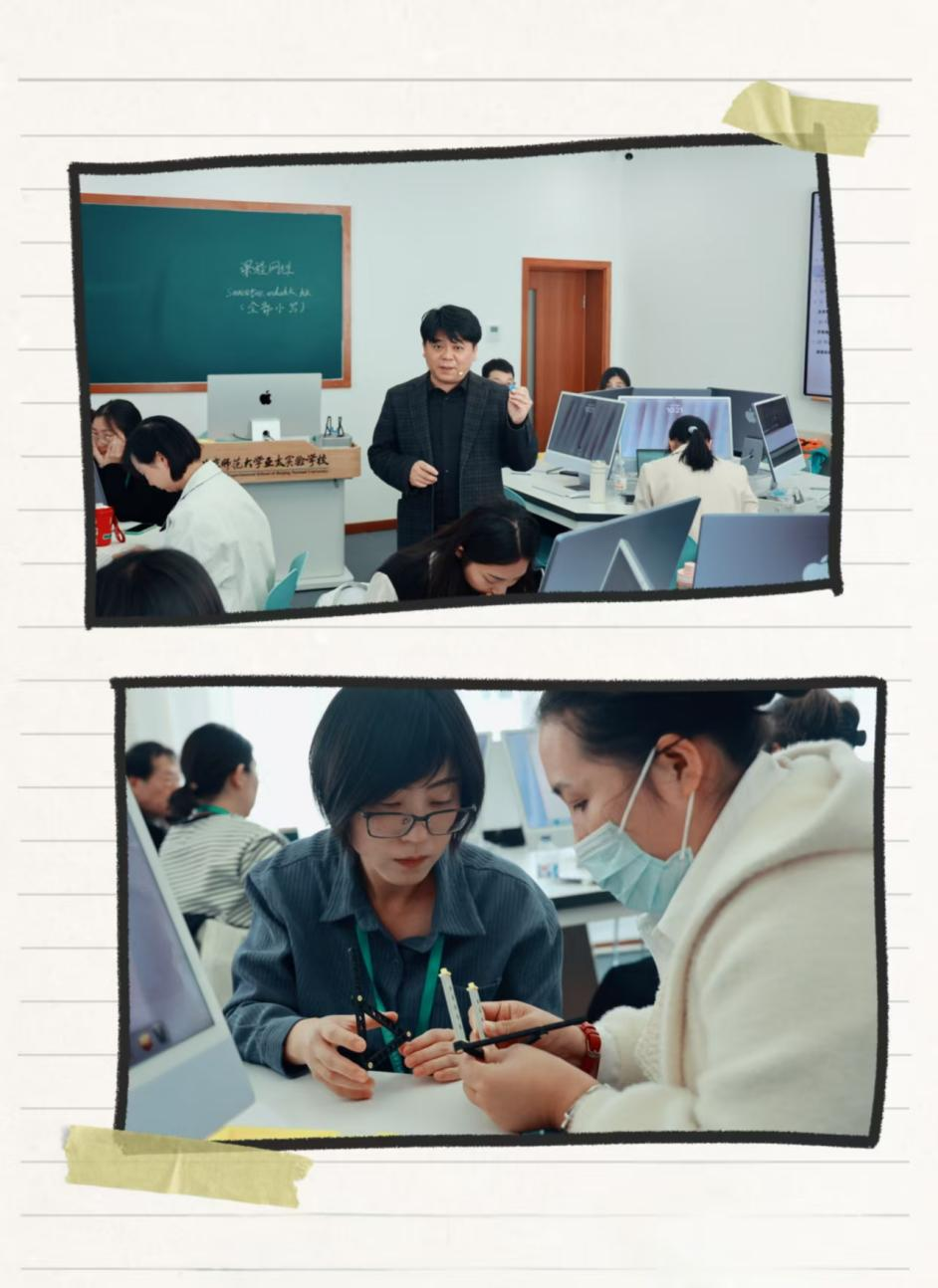
10月19日上午,东亚科学教育学会会长、香港教育大学卓越教学发展中心署理总监万志宏副教授在《系统研发科创课程,全面培养新智人才》专题讲座中,系统阐释了STEM教育从“活动”走向“课程”的完整路径。他强调,STEM教育的核心在于通过跨学科整合培养学生创新思维与解决真实问题的能力,而非知识的简单叠加。
万教授还系统介绍了他主持研发的SWEETIE STEM课程体系,该课程以建构主义和“做中学”理论为基础,采用项目式学习模式,配备模块化教具包,支持学生从基础验证到创意实现的多层次需求。课程构建了线上平台与线下教具深度融合的学习环境,学生可通过平台按“七步教学法”自主开展探究,点播教学视频、查阅图纸资源,实现数字化工具与实体项目的完美衔接。
反思共融促落地,科教研协同向未来
通过本次沉浸式、互动式、合作式研修,与会者围绕建模教学、AI应用、户外实践与议题论证等前沿主题开展了深度研讨与实操转化,形成了从理念更新到课堂落地的系列共识。与会者一致认为,应持续推进本土化社会性科学议题教学案例开发,推动与课程标准、技术工具的有机融合,促进建模、论证与系统思维等在真实课堂中有效扎根。
本次论坛与工作坊研修,通过专家引领、技术赋能与跨域协同,成功构建了理念辐射课堂、区域联动共进的科教协作新生态,不仅更新了教师的教学观念,更探索出系统培养学生思维、创造力与社会责任感的可行路径,为我国青少年科技创新教育的持续深化注入强劲动力。
执笔:刘春燕(北京师范大学亚太实验学校) 黄子樾(杭州橄榄树学校)
To further promote the updating of science education beliefs and practical innovation, and to advance the youth science and technology innovation education, the 2025 Youth Science and Technology Innovation Education Forum and Teacher Workshop was successfully held in Beijing from October 16 to 19, 2025. Organized by the Collaborative Innovation Center of Assessment for Basic Education Quality at Beijing Normal University and hosted by the Asia-Pacific Experimental School of Beijing Normal University, the event brought together science education experts, backbone teachers, and adolescent science and technology innovation teams from Mainland China, Hong Kong, Macau, and Taiwan. Focusing on cutting-edge topics such as Model and Modeling Instruction, Intelligent Scaffolding and Generative AI, Outdoor Science Education, and Socioscientific Issues (SSI), the event featured systematic training and in-depth exchanges, injecting new momentum into science education for the new era.
The forum kicked off on the morning of October 16 with a vibrant dance performance by students from the Asia-Pacific Experimental School of Beijing Normal University. Wang Lu, Vice Principal of the Asia-Pacific Experimental School delivered a welcoming address, emphasizing the important significance of this event in promoting the in-depth development of science and technology innovation education and building a cross-regional exchange platform. Chiu Mei-Hung, former President of the NARST and Emeritus Professor at Taiwan Normal University, highlighted the crucial role of AI and SSI in science and technology innovation education from a global perspective on science education frontiers. Lin Jing, Director of the Science Development Department of the Collaborative Innovation Center of Assessment for Basic Education Quality at Beijing Normal University, proposed to participants a 4R learning mode of “Reception—Response—Reflection—Reorganization,” encouraging in-depth discussions and exchanges to advance the theory and practice of the “enhancement” of science education.
Conceptual Guidance: Building a New Paradigm for Teaching Scientific Thinking
On the morning of October 16th, Professor Chiu Mei-Hung presented a lecture titled "Model and Modeling Instruction," systematically explaining the theoretical levels and teaching pathways of model cognition, emphasizing the shift from "knowledge transmission" to "thinking construction." Drawing on the three-level model theory (from concrete replica to thinking tool) by scholars like Grosslight (1991), and using cases such as the "Keelung River Water Quality Investigation," she demonstrated how to guide students through the process of scientific concept formation from deconstruction to reconstruction. She advocated for the application of modeling tools like Sage Modeler to cultivate systems thinking and inquiry skills. Participating teachers felt that such training facilitated a crucial shift in teaching cognition, making models an effective tool for developing students' scientific thinking.
Technological Empowerment: Promoting Deep Integration of AI and Science Education
On the afternoon of October 16th, Chang Chun-Yen, Chair Professor at Taiwan Normal University and Vice Chairman of the AISL Alliance, delivered a lecture titled "Intelligent Scaffolding and Generative AI: The Twin-Engine Revolution in Science Education." He outlined the path for AI tools to enhance teaching efficiency in the short term, while requiring deep involvement from educators in the long run. He demonstrated core functions of the AISI smart learning platform, such as supporting seamless interaction and flexibly creating argumentation questions, and explored the effects of technology-education integration through multimodal testing. Regarding the proposition "Does Generative AI have creativity?", Professor Chang provoked deep reflection among participants. Participating teachers suggested strengthening localization adaptation to better serve classroom practice.
Outdoor Practice: Expanding Authentic Arenas for Scientific Inquiry
On October 17, Professor Tali Tal, former President of NARST and Dean of the Faculty of Education at the Technion – Israel Institute of Technology, conducted a full-day practical workshop on “Quality Outdoor Education.” She explained the core principles of outdoor teaching centered on "Hands, Head, and Heart," covering the three layers of goals: "About, In, and For" the outdoors, aiming to cultivate environmental agency and social responsibility. She introduced the "Learning Spiral" model (Classroom Preparation – Field Investigation – Classroom Summary), organized low-threshold tasks like vegetation measurement, and proposed solutions for challenges such as safety management and time constraints, including setting up "Project Days" and involving parent assistance. She emphasized the role shift of teachers becoming "learning partners." Hu Haijun, Director of the school's Science and Technology Education Center, also introduced environmental education activities and the low-carbon campus landscape. Participating teachers believed that outdoor practice effectively expanded the scenarios for cultivating core competencies.
SSI-based Learning: Strengthening Social Responsibility and Argumentation Skills
On the morning of October 18th, Lin Jing, the PI of the SSI-based Learning project at BNU, focused on the theme "AI + Socioscientific Argumentation." She structured an online course explaining the CER model (Claim-Evidence-Reasoning) for scientific argumentation and the educational value of SSI. Using the WISE platform, she created a "Land Reclamation" issue, organized role-playing and the application of DeepSeek for multi-position argumentation experiences, highlighting the complexity of the "Rebuttal-Negotiation-Decision" process. Lin Jing emphasized that teachers need to skillfully use digital platforms to construct interdisciplinary learning scaffolds and guide students in perspective-taking to develop critical thinking. Participating teachers found that the training made abstract argumentation concrete and addressed the difficulties in SSI instructional design and implementation.
Student Showcase: Highlighting the Balance of Technology and Humanities
On the afternoon of October 18th, the forum showcased six innovative projects from primary and secondary schools in Beijing, Hong Kong, Macao, and Hangzhou. Projects included: "Study on Antioxidant Properties and Drug Synergistic Effects of Gelatin Capsules" from BNU Asia-Pacific Experimental School, exploring pharmaceutical material potential; "Smart Flood Control Board" from Hong Kong's Pui Ching Primary School, addressing urban waterlogging; "Smart Flood Defense System" from Macao's Bairro da Patane Community School, tackling local issues; "Feedback-based Trash Bin" from Hangzhou Olive Tree School, focusing on the psychology of environmental behavior; "Early Warning System for Underwater Invasive Species" from Macao's Pui Ching Middle School, utilizing multimodal reasoning; and the "Oyster Reef Enhancement Project" from Hong Kong's Wong Cho Sum School, integrating technology with aquaculture. Judging experts, including Professors Chang Chun-Yen and Chen Ying, unanimously agreed that the projects demonstrated students' scientific literacy, innovative ability, and social responsibility, highlighting the positive interaction between technology and the humanities.
STEM Integration: Systematically Cultivating Innovative Competence
On the morning of October 19th, Wan Zhihong, President of the East-Asian Association for Science Education and Acting Director of the Centre for Excellence in Learning and Teaching at The Education University of Hong Kong, delivered a lecture titled "Systematically Developing STEAM and Innovation Curriculum to Comprehensively Cultivate New Intelligent Talents." He explained the pathway for STEM education transitioning from "activities" to "curriculum," emphasizing the cultivation of innovative thinking through interdisciplinary integration rather than knowledge stacking. He introduced the SWEETIE STEM curriculum system, based on constructivism and "learning by doing," utilizing project-based learning and modular teaching aids to support students from basic verification to creative realization. He also highlighted the connection between digital and physical projects through a seven-step online teaching method.
Reflection and Integration Promoting Implementation, Advancing Collaborative Science Education and Research Toward the Future
Through this immersive, interactive, and collaborative workshop, participants conducted in-depth discussions and practical transformations around frontier topics such as modeling instruction, AI applications, outdoor practice, and socioscientific argumentation, achieving a series of consensuses from conceptual renewal to classroom implementation. They unanimously believed that efforts should continue to advance the development of localized SSI cases, promote its organic integration with curriculum standards and technological tools, and facilitate the effective rooting of modeling, argumentation, systems thinking, and other elements in real classroom contexts.